
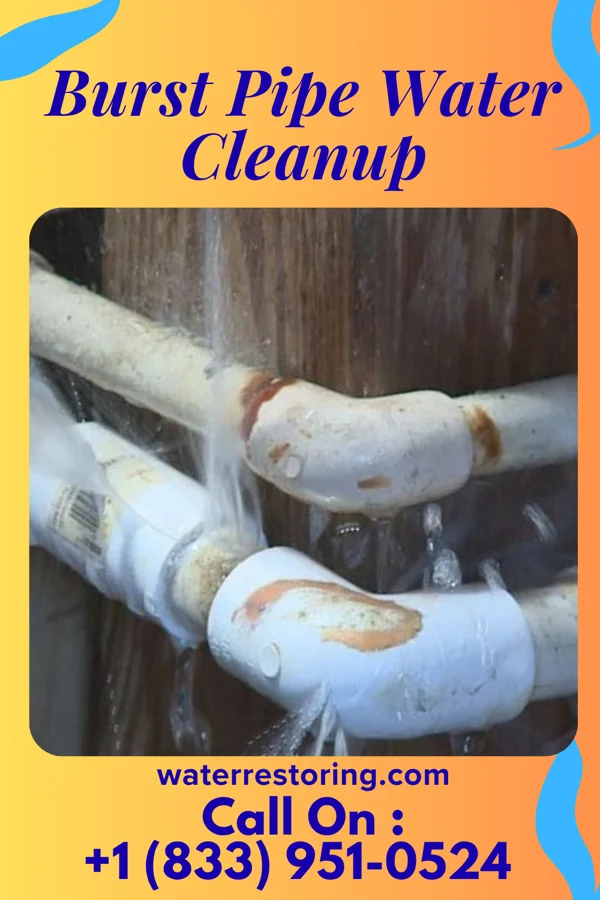
Burst Pipes Across University of Pittsburgh Johnstown Neighborhoods
Every neighborhood in University of Pittsburgh Johnstown has a different water damage risk profile. The one that shows up on most restoration calls is The University of Pittsburgh Johnstown, located in a rural area near Scalp Level, PA, experiences seasonal fluctuations in temperature that can stress aging plumbing systems. The proximity to Paint, PA, and Windber, PA, which have similar climate conditions, means that burst pipes are more likely during sudden temperature changes or freeze-thaw cycles.. A close second is The campus infrastructure, which includes older buildings and underground piping, is susceptible to corrosion and wear over time. Additionally, the region's rural setting may limit immediate access to emergency repairs, increasing the risk of water damage if a pipe bursts..
University of Pittsburgh Johnstown's rural location and proximity to smaller towns like Paint and Windber mean that the local climate plays a significant role in pipe integrity. The region's cold winters and variable spring temperatures increase the likelihood of burst pipes, particularly in older residential and commercial properties.
Water damage in University of Pittsburgh Johnstown follows a few local patterns. The University of Pittsburgh Johnstown, located in a rural area near Scalp Level, PA, experiences seasonal fluctuations in temperature that can stress aging plumbing systems. The proximity to Paint, PA, and Windber, PA, which have similar climate conditions, means that burst pipes are more likely during sudden temperature changes or freeze-thaw cycles. accounts for the bulk of our calls. University of Pittsburgh Johnstown's rural location and proximity to smaller towns like Paint and Windber mean that the local climate plays a significant role in pipe integrity. The region's cold winters and variable spring temperatures increase the likelihood of burst pipes, particularly in older residential and commercial properties. University of Pittsburgh Johnstown's moderate humidity levels and cool winters can create ideal conditions for mold growth if water damage is not addressed promptly. Proper drying and dehumidification are critical in preventing long-term issues.
For public guidance on the health effects of mold after prolonged water exposure, see the EPA mold and health page.